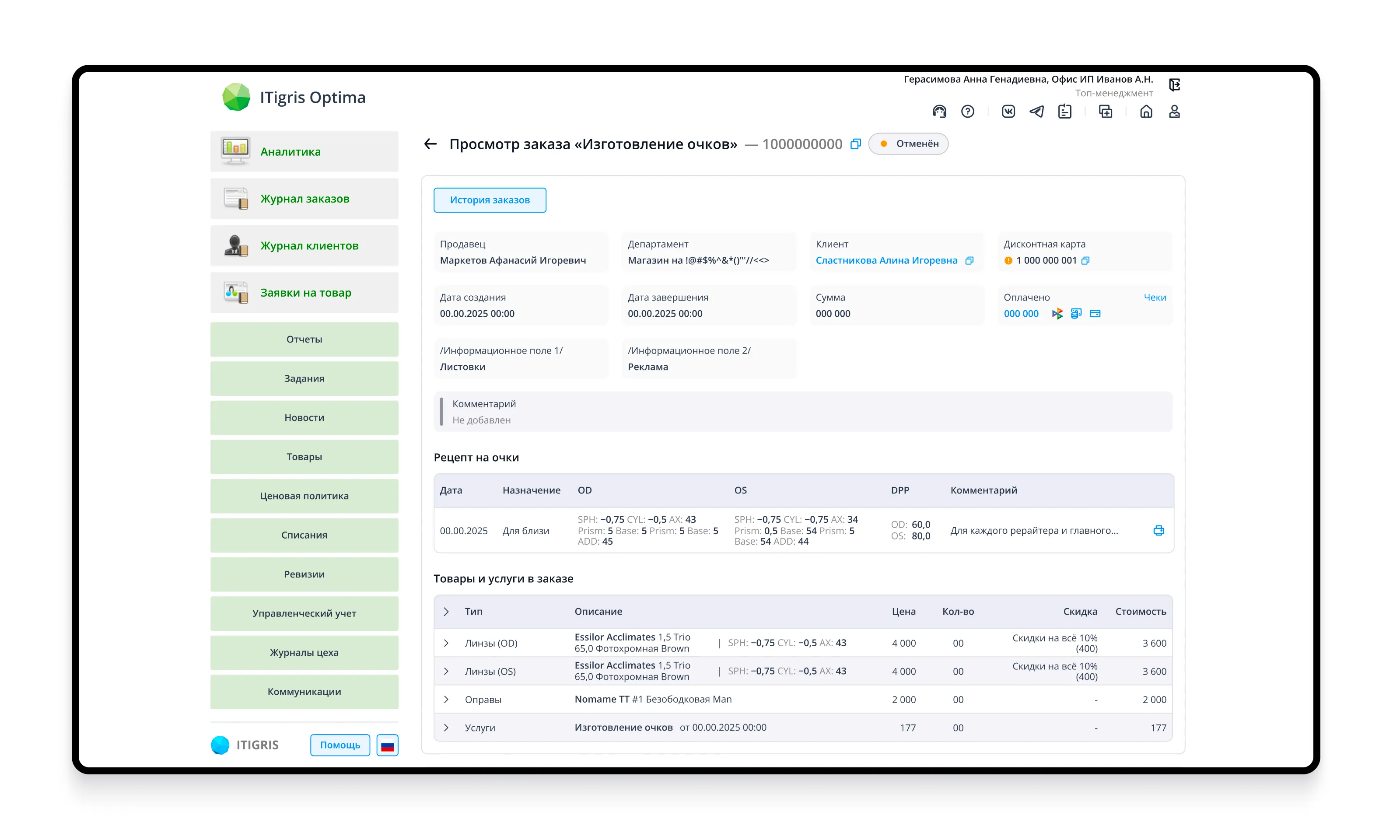
Optima BI is an analytics service created for optic businesses. It allows to analize data from various sources, provide different kinds of business reports, visualize data, create dashboards and share the results. With this solution business owners and managers can track any product and business metrics directly from the platform to make data-driven decisions.
When I joined the team, there was no design system to speak of — interfaces were being built directly by developers, on top of aging legacy code, with no shared visual language or process across teams. Every new feature meant reinventing patterns from scratch, and design decisions lived in people’s heads rather than in any shared source of truth.
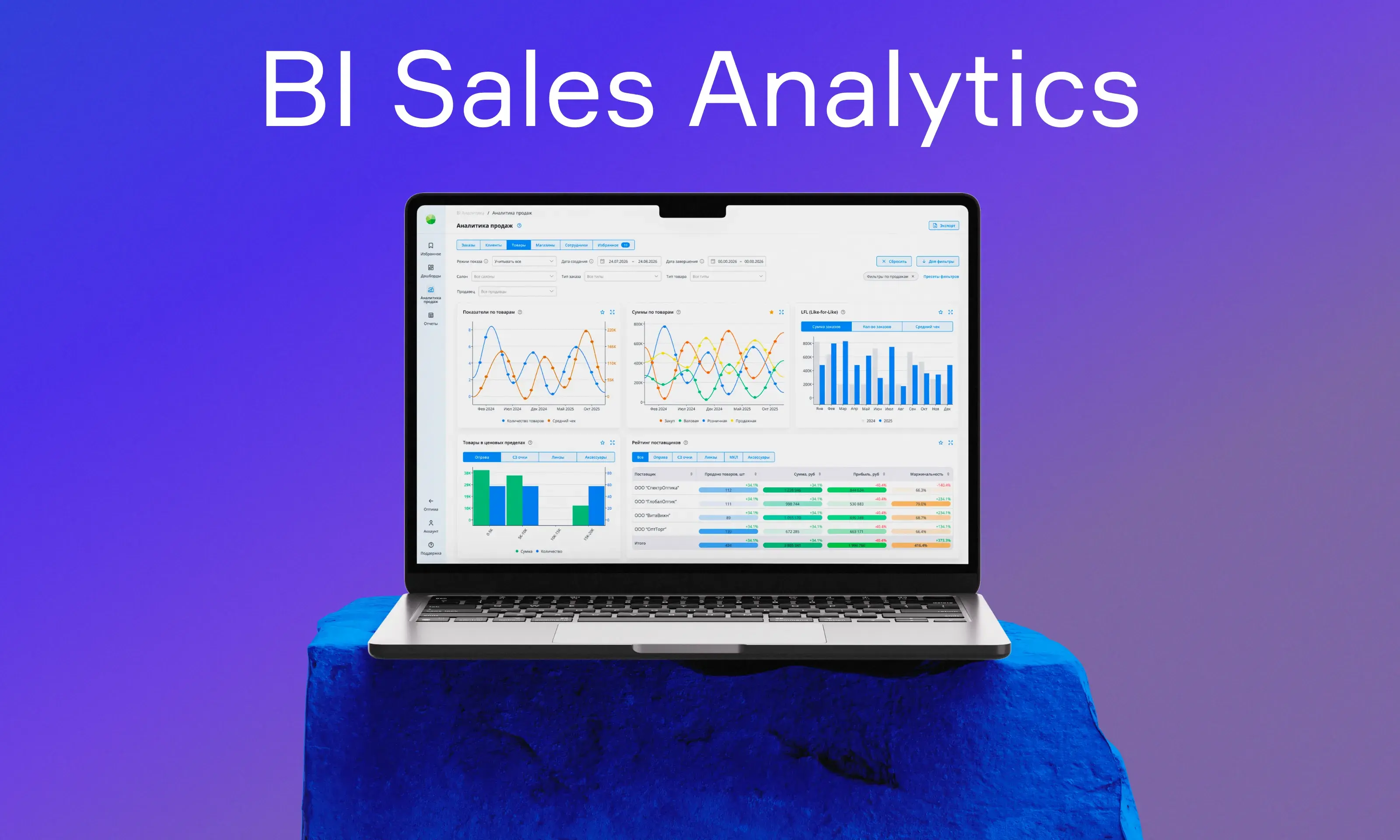
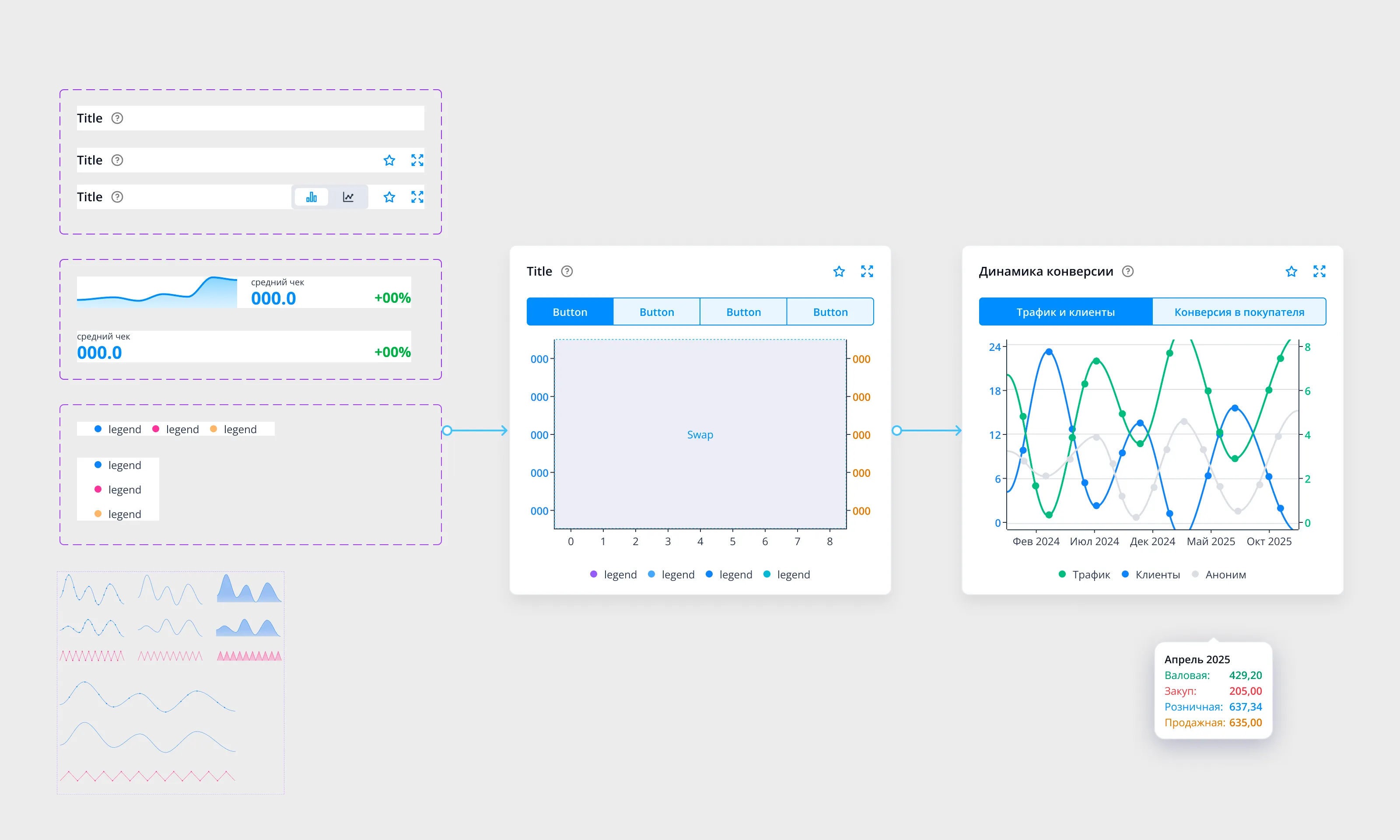
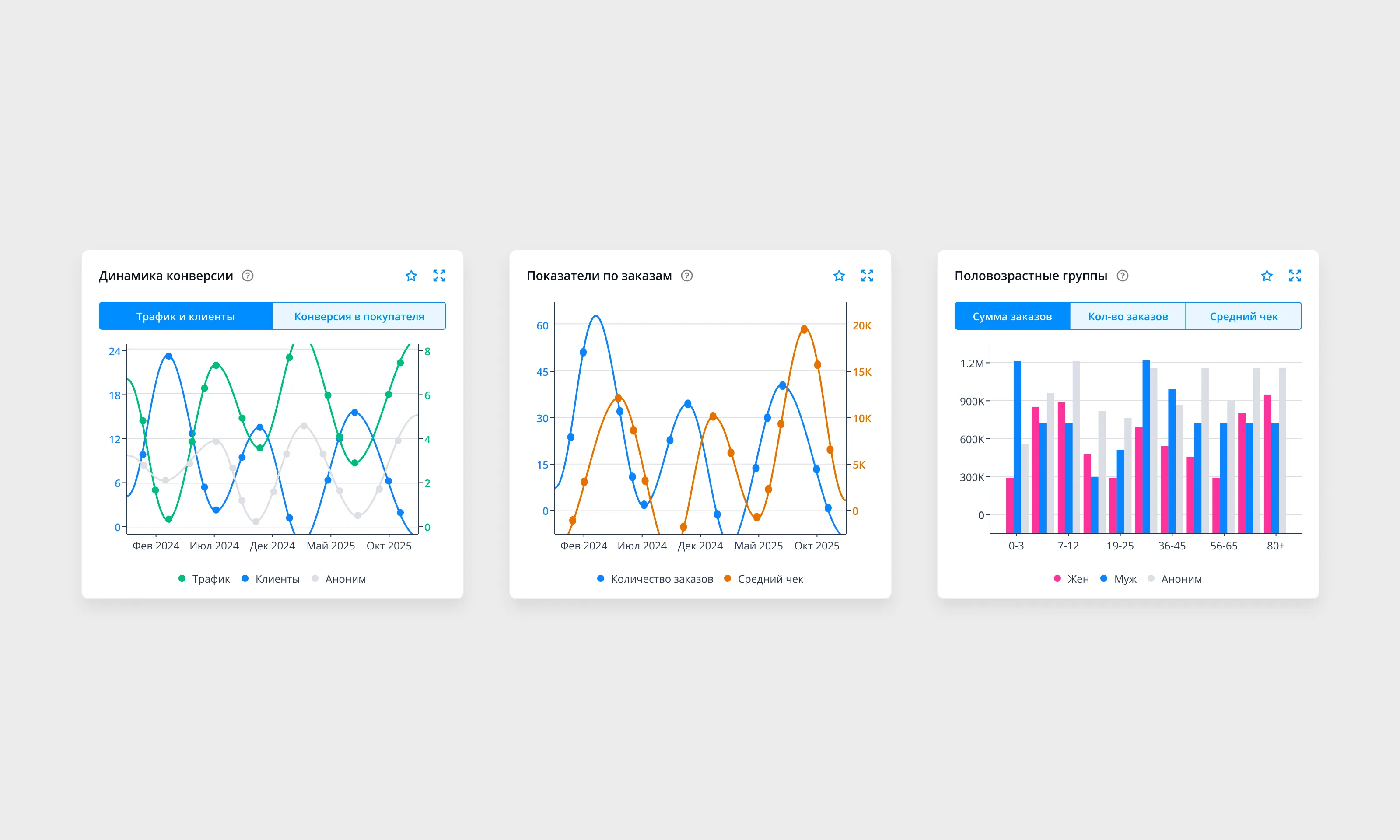
Design Library — Built a component library based on Element UI, ApexCharts, and Ant Charts, tailored to the product’s specific requirements. Developed the library into a self-sustaining design system that could be maintained and extended by independent contractor teams.
Ensured consistency with the company’s standardized digital service patterns and established a single source of truth for design assets, enabling continuous updates and synchronization across projects. Created a scalable foundation for extending the library to future client products.
Low-Fidelity Interactive Prototypes — Introduced interactive low-fidelity prototypes to validate new features, user flows, and product hypotheses through micro-interactions. Built prototypes using Figma Make and Claude Code.
Reduced design approval time by 3× by enabling stakeholders to experience functionality early in the design process, significantly improving collaboration across design, product analytics, and engineering teams. Reduced the number of post-release redesigns by validating interactions before development, eliminating the need to wait for testing or production releases to evaluate user experience.
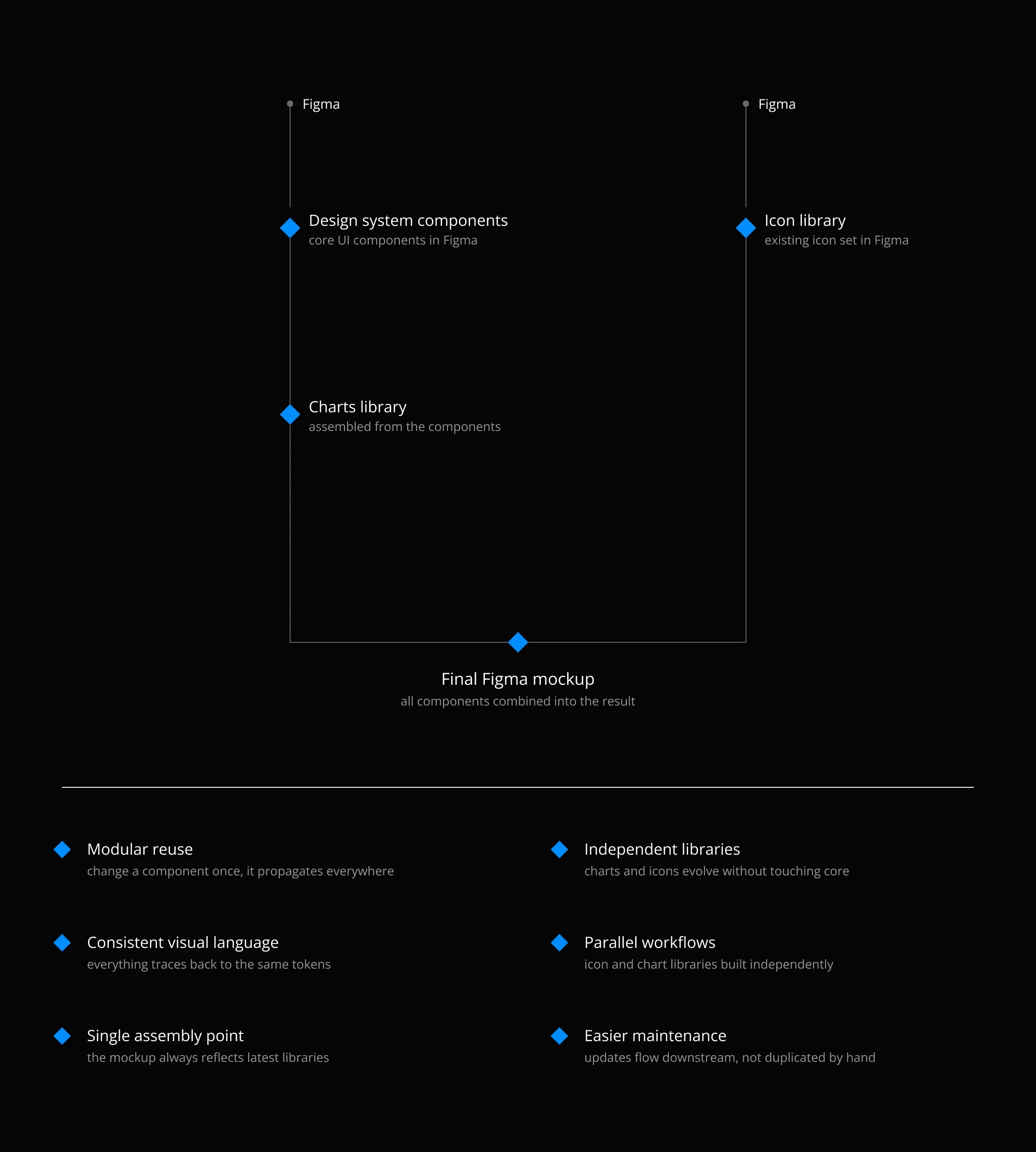
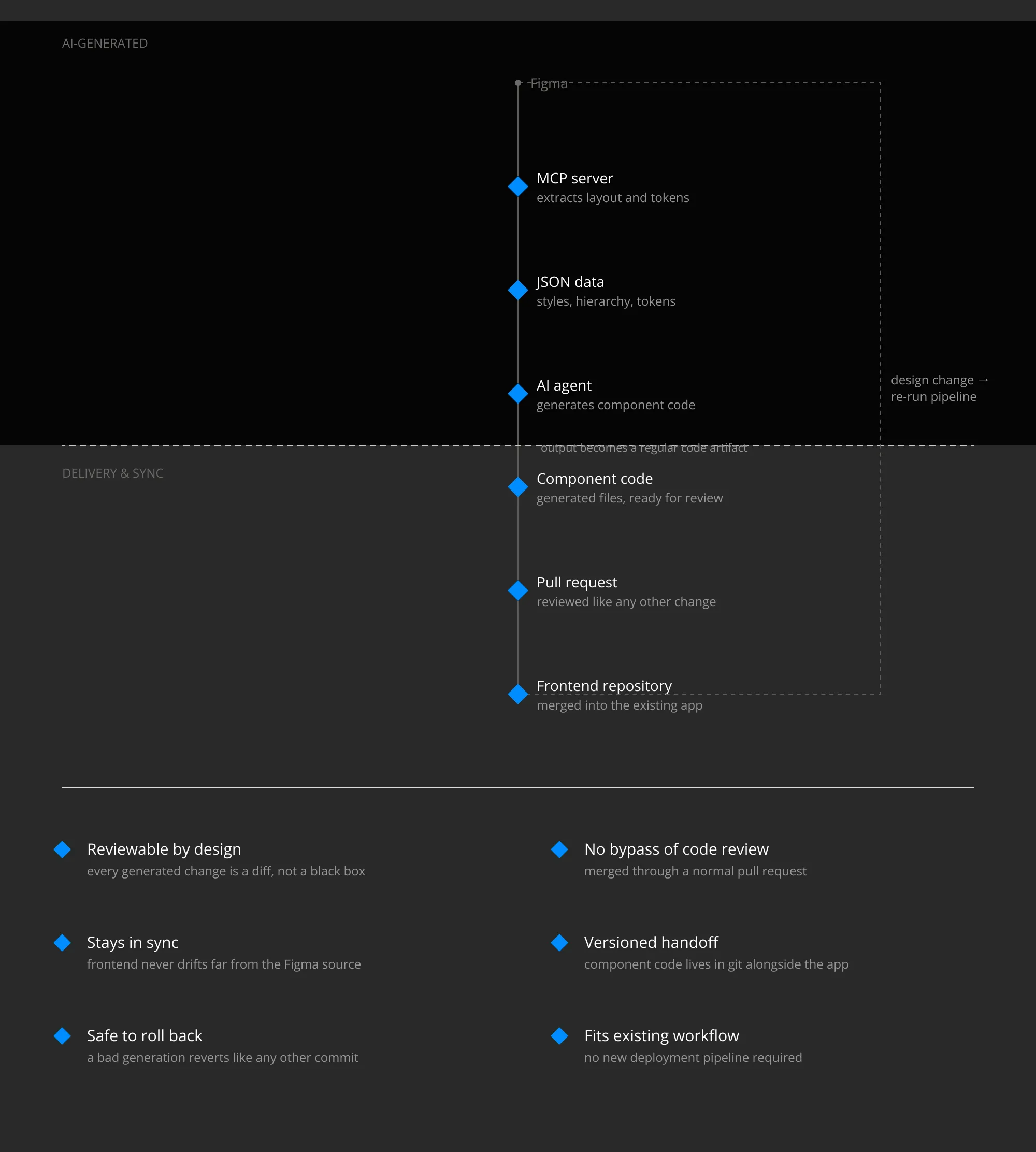
Product Vision Framework — Partnered with cross-functional teams to define and maintain the product’s target-state experience as a single source of truth for business, analytics, and engineering. Structured design assets around user journeys and semantic architecture, enabling teams to work from a shared understanding of the product vision.
Maintained separate long-term vision and sprint-ready design artifacts, ensuring strategic alignment without slowing delivery. Created a centralized design workflow and task source used consistently across internal product teams and external design contractors.
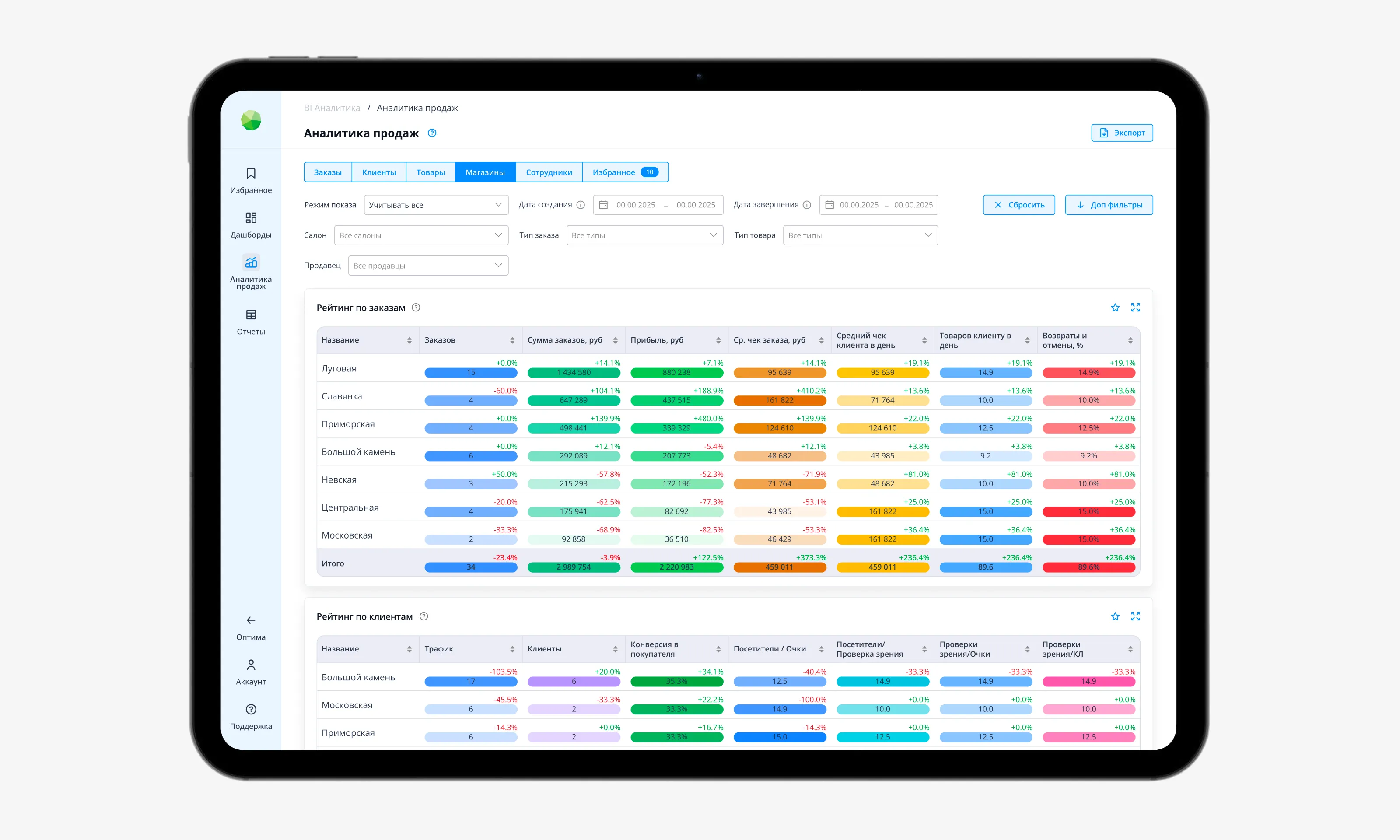
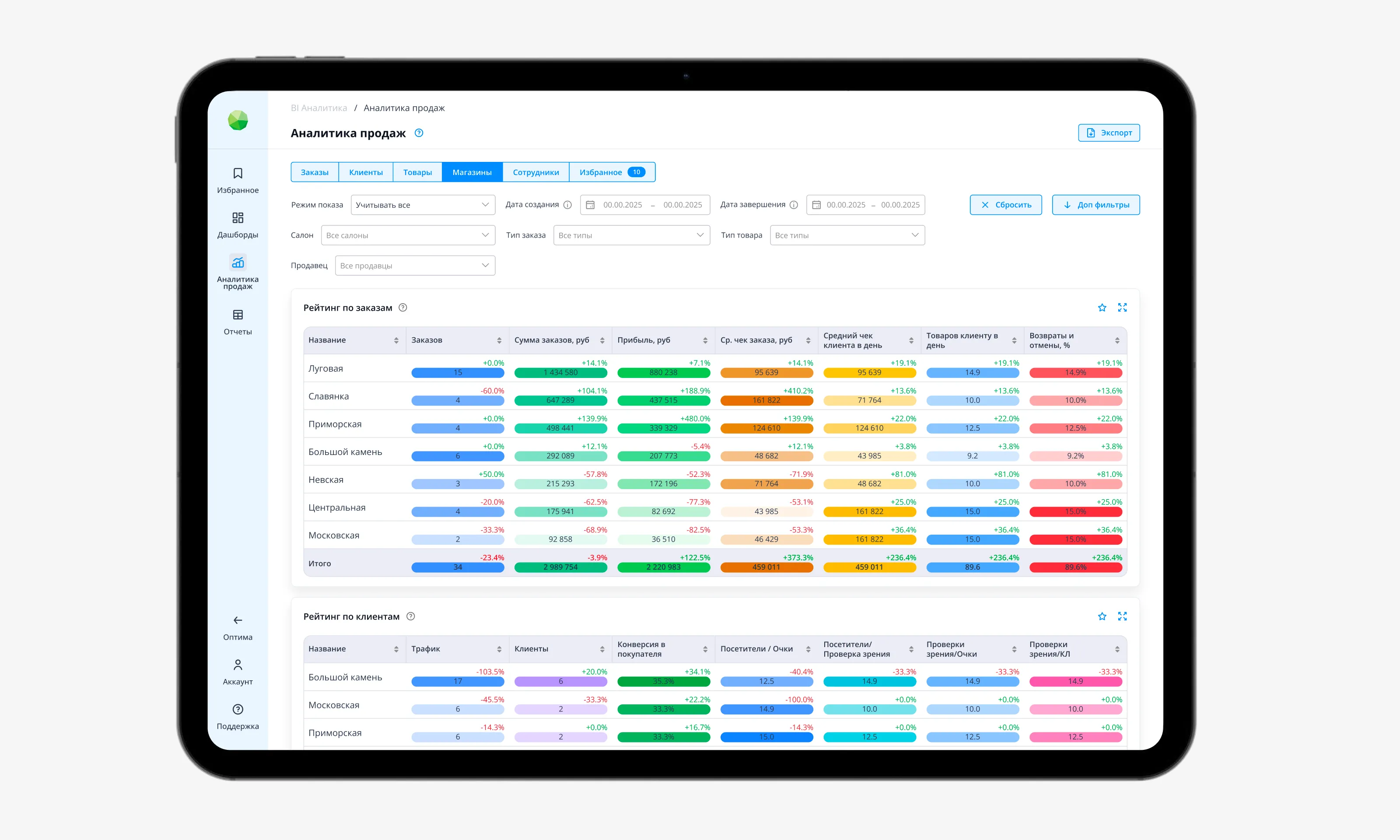
Grew the design team from a single designer to a small, self-sufficient team, building the hiring pipeline, onboarding process, and mentoring structure from the ground up. Introduced product training for designers to deepen their understanding of user workflows and industry best practices. Defined business and product KPIs, identified strategic opportunities for design and product growth, and aligned design efforts with business objectives.
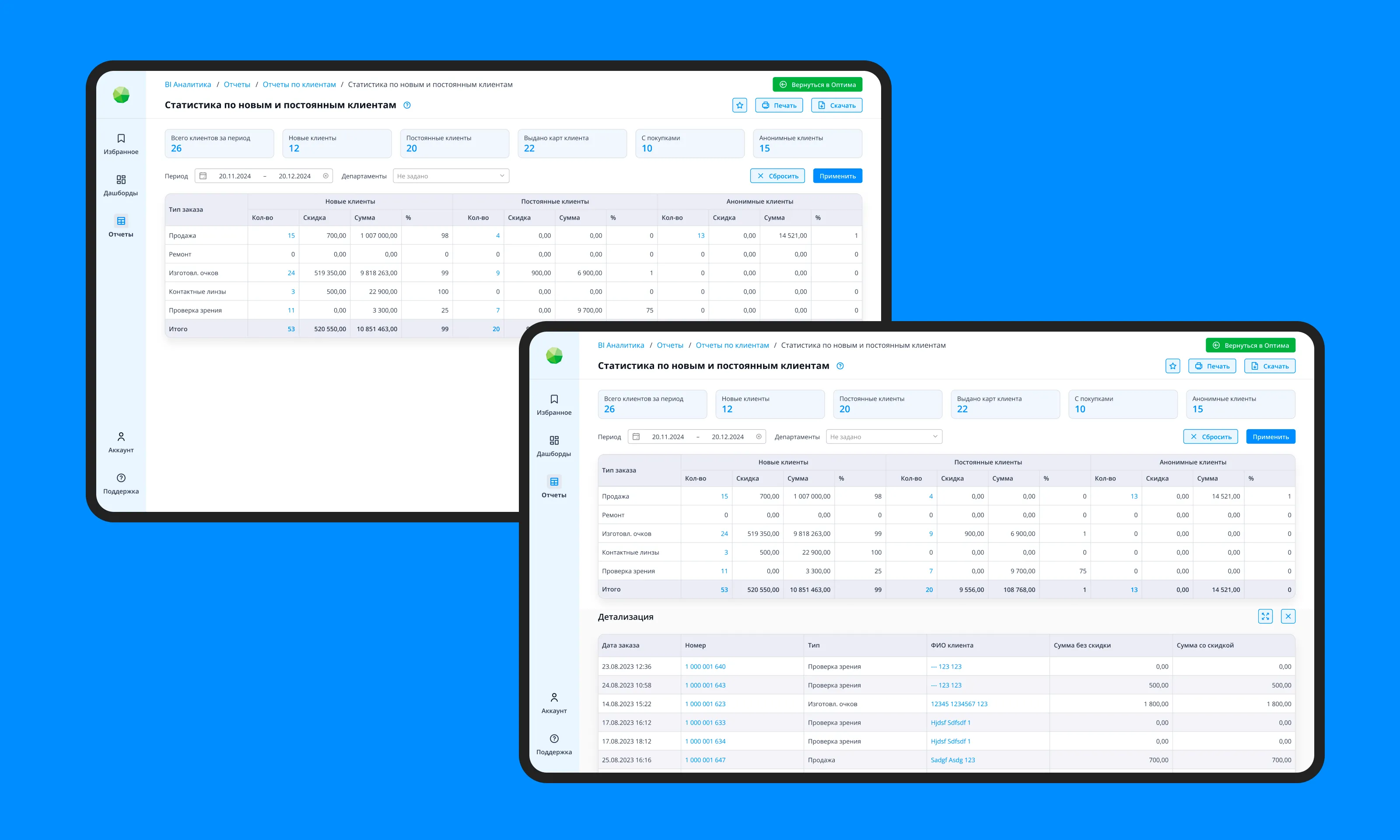
Built the company’s and product’s employer brand by hiring, mentoring, and growing the product design team. Evaluated the maturity of the design organization and defined the design strategy for the product’s next phase.
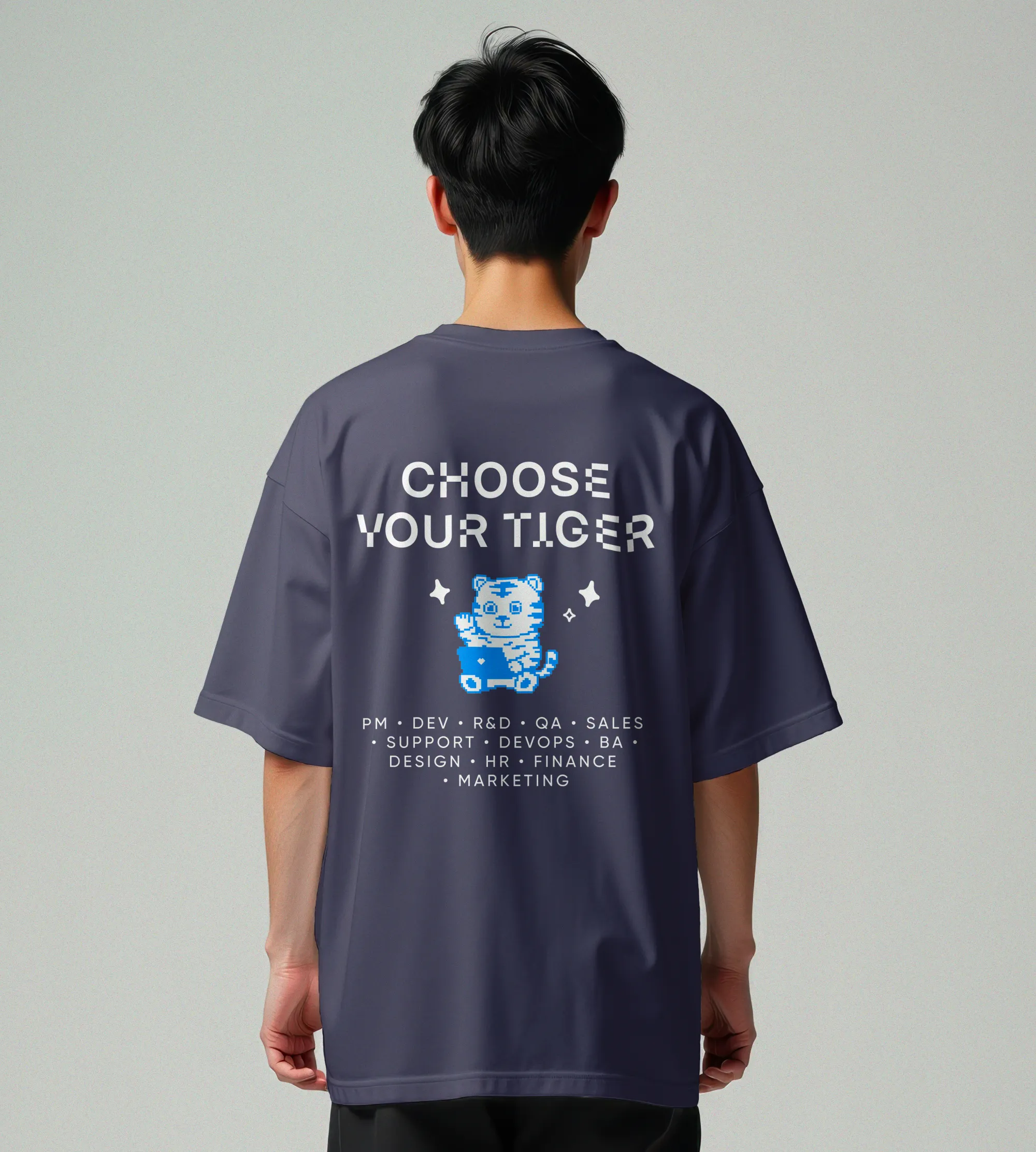
Delivered internal lectures and webinars on product design, design methodology, and the evolution of design within the company. Developed the product’s visual identity and branded merchandise.

Advocated for design across the organization, fostering stronger relationships between designers and business stakeholders and increasing trust in the design function. Helped improve team motivation, collaboration, and cross-functional alignment.